Is Watching Replays in the Stadium Making Fans Miss the Moment?
The goal goes in. For half a second, the stand is one huge, unthinking noise: arms up, strangers grabbing strangers, someone three rows back shouting a name that may or may not be the scorer’s. Then a bank of in stadium screens shows the finish again. Around you, heads turn. Phones come out. The goal is replayed from another angle before the players have finished celebrating.
That can feel like a gift. If you were behind a pillar, buying a pie or watching the far end of the pitch, the screen gives you a better look. But it also raises an awkward question: while watching the replay, are we missing the thing we came for—the live moment unfolding in front of us?
There is no simple answer. A screen can help make a match easier to follow, and a phone can put the rest of the football world in your pocket. Neither is a substitute for the sound, scale and uncertainty of being there. The trick is knowing when the second screen adds to the https://hayters.com/football-fandom-is-rapidly-changing-here-is-how/ day and when it pulls you out of it.
The replay and the real thing are different experiences
A replay is clearer than live action. It lets you see a defender’s touch, a goalkeeper’s starting position or the run that opened a gap. It can settle an argument that begins before the scorer has reached the corner flag: was it an own goal, a deflection or a clean strike?
But clarity is not the same as presence. A replay shows what happened; the live game makes you wait to find out. In the stand, you feel the tension build as a winger takes on a full-back, or hear a groan travel round the ground before you have worked out why. A screen offers a neat view. It cannot reproduce the collective gasp when a shot clips the post, or the sudden roar when a loose ball falls kindly.
That distinction matters because football is not a sequence of highlights. It is the uncertain time between them: the patient spell of possession, the defender gesturing for a line to hold, the crowd sensing a counterattack before the pass is played. A phone replay clip may explain a goal. It cannot give you the minutes that led to it.
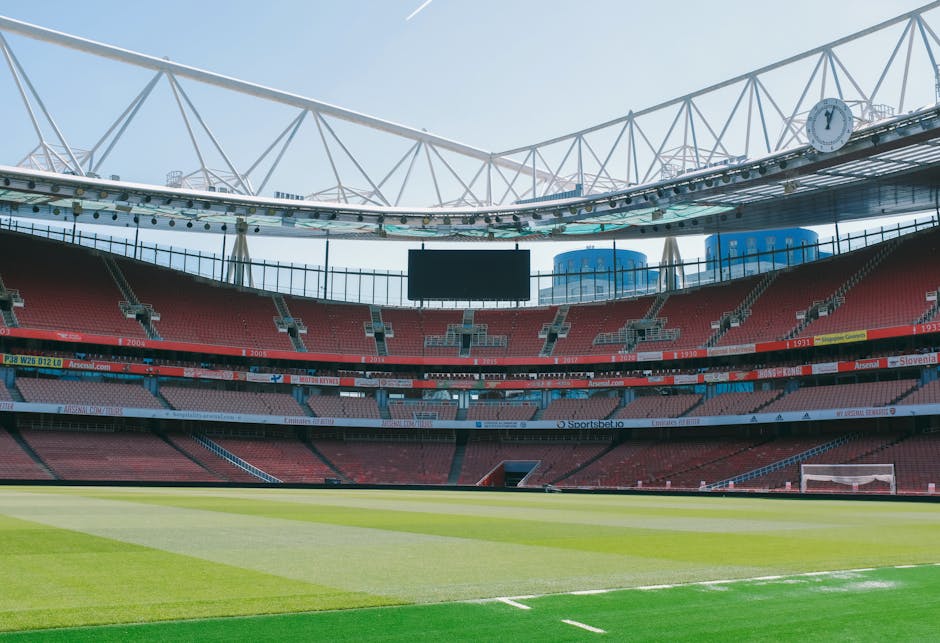
What the screens do—and what they cannot do
Stadium screens have practical jobs. They show substitutions, added time, line-ups and useful information for fans who cannot see every corner of the pitch. At grounds with awkward sightlines, a replay can be the difference between understanding a decision and going home with only half the story.
There is a limit, though. When a replay is shown during a restart, attention shifts away from the pitch at exactly the point when play may resume. Some grounds delay replays of contentious decisions while officials are reviewing them; others have to balance showing the incident with avoiding confusion. Spectators still need to remember that a screen is an editorial choice, not a complete record. It may show one angle, not the view the referee had.
The best use of the big screen is usually brief and helpful: a replay after the goal celebration, a clear update, then attention back to the match. It should serve the event rather than turn every pause into another reason to look away.
The phone in the stand: helpful tool, constant temptation
For plenty of supporters, the phone is part of the matchday kit alongside a ticket, scarf and travel card. It holds the digital ticket, gives directions to the away end, lets a group find one another and helps someone check whether the last train is still running. That is not a failure of fandom. It is what a useful phone does.
The habits become more revealing once the game starts. Here is a running list of things fans do on their phones at matches:
- Open the club app to check the line-up, substitutions or a stadium announcement.
- Send a WhatsApp message to the friend who is late, lost or in a different stand.
- Check a live score app to see whether a rival has scored elsewhere in the league.
- Watch phone replay clips of a goal or controversial decision while the match continues.
- Post a photograph or short video to Instagram, then check who has reacted to it.
- Look up a player’s statistics, a formation graphic or a tactical explanation.
- Refresh the train app before the final whistle, especially for a late kick-off.
None of those actions automatically ruins the day. The question is how often they interrupt it. One quick check on a league score is different from refreshing an app every attack. A photo of the teams coming out can become a nice record; filming an entire half can mean watching it through a small rectangle.

Always-on fandom has come through the turnstiles
Football conversation used to have sharper boundaries. A supporter might get the result from the ground, hear the rest on the radio on the way home and catch highlights later. Now the match sits inside a permanent stream of updates. Scores, injury news, pundit clips, fan accounts and podcasts keep the sport moving between kick-offs.
That always-on habit is not confined to people watching at home. In the stadium, fans can follow a live table, compare the action with a tactical thread or check whether a match elsewhere has changed the promotion or relegation picture. Supporters do not stop caring about the game in front of them; they have more ways to care about everything around it.
That can make the afternoon richer. A fan following the Championship promotion race may have a genuine reason to watch scores elsewhere in the league. Someone keeping an eye on a relegation rival’s result is not necessarily distracted in the shallow sense. The wider context is part of football’s appeal. But the extra information competes for attention, and the match in the ground cannot pause while the phone explains the table.
Kick-off time shapes the day—and the screen habit
Kick-off time changes what supporters do before and during a match. A 12.30pm start can mean an early train, a rushed breakfast and little time to settle in. Fans may check travel updates repeatedly, then use the concourse to catch up on team news. A 3pm kick-off leaves more room for the familiar pub or café ritual, while a 5.30pm game can turn the journey home into a calculation about connections and late-night services.
Evening fixtures bring their own rhythm. The day may have been spent at work, with team news followed on a phone and a podcast heard on the commute. Under the lights, a supporter might check another result at half-time, then put the phone away as the match tightens. The clock is not just a detail on the fixture list; it shapes the whole matchday, from travel to attention.
That is why blanket claims about phones and fans miss the point. A quick glance at the departure board app is sensible. A live-score refresh during a tense final ten minutes might feel essential to one supporter and maddening to the person beside them. The same screen can be practical at 12.30pm and a distraction at 7.45pm.
Stats, podcasts and tactics are no longer specialist interests
Football analysis has become easier to find and easier to share. Match previews explain pressing patterns; podcasts debate the manager’s changes; data sites offer player ratings, passing maps and shot locations. Tactical content that once lived in specialist magazines is now presented in short videos and social posts that travel quickly from a phone to a stand.
That knowledge can sharpen the live experience. A supporter who understands a team’s high press may notice the goalkeeper being forced to go long. Someone who has heard a podcast discuss an inverted full-back may spot that player stepping into midfield. Statistics can give shape to what the eye is seeing: who is winning duels, where attacks are developing, or how a team’s approach changes after a substitution.
But there is a difference between using information to watch more closely and using it instead of watching. A stream of numbers can make a match feel like a dashboard. A tactical graphic is useful if it sends your eyes back to the pitch; less so if you spend the next five minutes searching for another graphic to confirm it.
Second-screen habit What it can add What it can cost Checking scores elsewhere in the league Context for a title, play-off or relegation race Attention during a spell of live play Watching phone replay clips A closer look at a goal or disputed incident The next phase of the match in front of you Looking up stats or tactical content A better understanding of shape and performance The instinctive pleasure of simply watching Posting and checking reactions A way to share the occasion with friends Being present with the people around youMatchday rituals still hold their ground
For all the digital noise, football days remain stubbornly physical. There is the walk to the ground, the familiar turn through the turnstile, the first look at the pitch and the search for your seat. There is the programme tucked under an arm, the half-time queue, the chant that starts in one corner and gathers weight as it travels.
Those rituals are not quaint leftovers from a less connected era. They are how supporters mark the occasion. The phone may tell you the line-up first, but hearing the teams announced in the ground is different. A clip can capture a roar, but it cannot put you in the middle of it. TV offers a better camera angle; the live experience offers scale, shared attention and the possibility that something happens outside the frame.
There is also value in doing nothing with a phone. Watching the warm-up without recording it, following the crowd’s reaction before checking the score elsewhere, or talking through a missed chance with the person next to you can make a match feel more personal. Those small exchanges are part of the day, not content waiting to be posted.
So, are replays making fans miss the moment?
Sometimes. If a supporter watches a screen through the celebration, then keeps scrolling while play restarts, they may miss more than the replay explains. The risk is not that every glance at a phone turns someone into a lesser fan. It is that attention becomes chopped into tiny pieces: the pitch, the screen, the app, the group chat, back to the pitch.
But a replay can also help someone reconnect with the action. It can show a goal missed from a poor seat, settle a detail, or let a fan enjoy the skill of a finish a second time. The question is not whether screens belong in stadiums. They already do. It is whether they are being used on the match’s terms or the phone’s.
A useful rule is simple: take the replay, then look back up. Check the other result at a natural break if it matters to you. Save the tactical thread for half-time. Let the goal celebration happen before filming it. And if the match is tight in the final minutes, give the pitch your attention; the scores will still be there afterwards.
Football has always had two versions: the event and the story supporters tell about it. Phones make that story faster, more detailed and more shareable. Yet no clip can reproduce the instant a whole stand realises the ball is in, or the hush before a penalty is taken. The best live experience vs replay choice is not an argument for rejecting technology. It is a reminder that the replay is there to help you see the moment again—not to take the first one away.