Is Michael Carrick Actually Doing Better Than Ruben Amorim at United?
For over a decade now, Manchester United has been wrestling with an identity crisis that refuses to die down. After Sir Alex Ferguson's majestic reign ended in 2013, the club plunged into a period of managerial churn and mismatched squads, with fleeting moments of hope punctuated by tiresome resets. In this context, the latest comparisons between Michael Carrick and Ruben Amorim managing United have been bubbling under the surface — but how fair and accurate are they?
Post-2013 Identity Crisis: The Old Glory’s Lingering Ghost
To understand the carrick vs amorim debate properly, one must first grasp the bigger picture. Since Ferguson's retirement, Manchester United has oscillated wildly in style and substance. Managers have come and gone, each preaching a ‘rebuild’ or ‘revolution’ without the faintest cohesion. It’s the classic ‘airport runway’ midfield problem — vast spaces, no clear direction, and constant uncertainty about what the club actually stands for.
- David Moyes: Intended a gradual evolution but was immediately hamstrung by a squad built for a different philosophy.
- Luis van Gaal: Tried an attractive but disjointed possession style that never truly jelled with the players on hand.
- Jose Mourinho: Brought pragmatism and grit but fuelled an emotional volatility that fractured locker room dynamics.
- Ole Gunnar Solskjær: Campaigning on nostalgia and attacking intent but ultimately lacking tactical sharpness in the Premier League context.
This revolving door means each manager arrives dealing with a mismatched squad, forced to adapt and patch rather than build. It is a cycle that feeds frustration in fans and staff alike — one of the chief contributors to media pressure https://casinocrowd.com/what-does-emotionally-volatile-mean-in-football-terms-for-manchester-united/ and hype-centric narratives.
Managerial Churn and Mismatched Squads: The Background Static
Any manager stepping into the Old Trafford hotseat post-2013 has faced an almost Sisyphean task. Squad construction consistently lagged behind managerial vision, with recruitment often steered by reactive decisions rather than long-term system fit — a pet peeve of mine when wading through transfer-talk noise.
This mismatch has two core consequences:
- Immediate results often suffer because players don’t fit the tactics — whether the style calls for high pressing, structured possession, or quick transitions.
- The inevitable media pressure cycle thickens as stories shift from potential glory to ‘culture’ issues, despite the problems being far more tactical and recruitment-related.
It’s no surprise, then, that United’s managerial exits often come laden with emotional and media-induced volatility. Just look at how narratives clashed with reality during Mourinho’s and Solskjær’s tenures — a storm of expectations, wildly fluctuating form, and eventual burnout.
Carrick's Coaching Impact vs PR Hype: Substance or Surface?
Michael Carrick’s rise to interim manager was met with that familiar wave of praise — the ‘club legend returns to steady the ship’ storyline. But headline enthusiasm should be met with measured analysis. Carrick’s coaching impact, especially behind the scenes prior to managing, deserves far more credit than you’d glean from fan forums or the usual PR bulletins.
Unlike many recent entrants touted as ‘revolutionaries’ — our ever-burgeoning list of (see rebuild slogans) — Carrick’s approach was less about flashy slogans and more about stabilising a midfield that too often resembled a barren airport runway. His deep understanding of United’s DNA and tactical awareness helped bring some cohesion to a squad riddled with inconsistencies.
- Midfield organisation: Carrick helped plug the holes, ensuring better ball retention and transitional play.
- Player relationships: Leveraging respect and familiarity to restore confidence inside the dressing room without falls into PR-coached platitudes.
- Match preparedness: Improved focus on set-piece defensive setups — something painfully overlooked as ‘culture issues’ for years.
It’s no coincidence that much of the narrative surrounding Carrick’s performance skewed into emotional volatility cycles — barely giving the man time or space before the media hyped each result as do-or-die. This contrasts starkly with Amorim, whose work at Sporting Lisbon earns international plaudits but whose Premier League challenges at United remain theoretical to many.
Emotional Volatility and Media Pressure Cycles: A Manchester United Staple
One thing I will always call out is lazy narratives blaming ‘culture’ for basic set-piece errors or individual positional mistakes. It’s an easy scapegoat when the more nuanced explanation involves tactical failings, squad depths, or coaching continuity.
Michael Carrick’s stint highlighted how media cycles at United bounce between extremes in short order. One draw and suddenly pundits call for wholesale changes; one win and the ‘project’ is suddenly back on track. This emotional seesaw does neither justice as it ignores the underlying complexities.
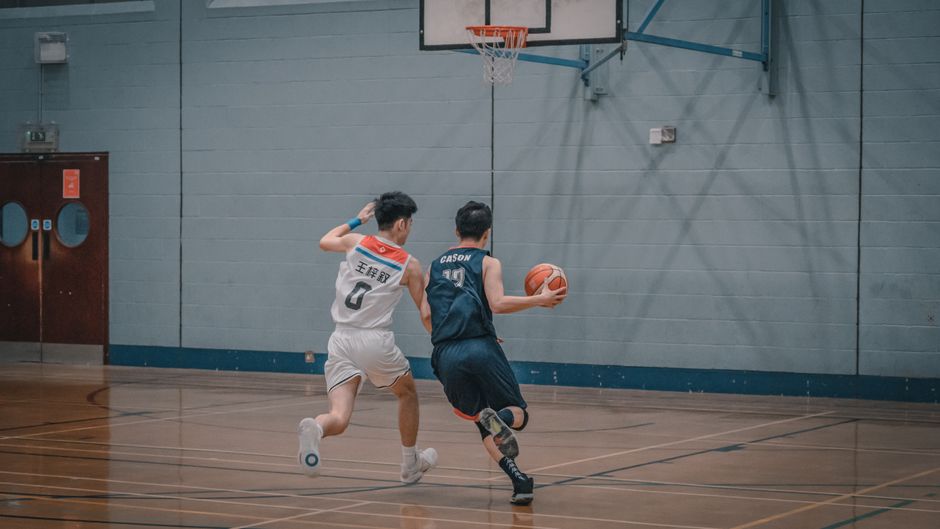
For Ruben Amorim, the pressure is different but no less intense. Moving from Portugal’s top tier to the Premier League’s unforgiving spotlight carries enormous burden, amplified by United’s historic expectations. Amorim’s tactical nous and modern coaching methods earn respect, but they face a crowded calibration against United’s legacy, unfamiliar players, and the ever-watchful media.

Quick Comparative Analysis: Carrick vs Amorim at Manchester United
Aspect Michael Carrick Ruben Amorim Background at United Long-serving player turned assistant; deep club ties and insider knowledge No prior affiliation; fresh external perspective and continental tactics Managerial Experience Interim, limited tenure with constraints Established success in Portugal; untested in the Premier League Squad Compatibility Inherited mismatched squad mid-season Likely to reshape squad but faces transitional periods Impact on Playing Style Stabilised midfield; improved retention and organization Known for tactical flexibility and modern pressing; yet to fully impose style Media/PR Narrative Highly emotional, swinging between hype and harsh criticism Early honeymoon phase; under future microscopeConcluding Thoughts
Is Michael Carrick actually doing better than Ruben Amorim at Manchester United? From a pure results or style-of-play perspective, the answer is more nuanced than tabloids would have you believe. Carrick operated as a stabiliser during a turbulent, roster-misaligned time, delivering modest improvements with no PR fluff. Amorim promises a new tactical paradigm but will need time, patience, and the right recruitment to translate Portuguese success to the Premier League.
Ultimately, both face the heavy legacy of a post-Ferguson club still struggling to define itself. Blaming ‘culture’ or demanding instant ‘revolutions’ ignores the slow graft behind the scenes—coaching impact can be subtle, delayed, and often unacknowledged amidst media noise and emotional volatility.
For United fans, the road ahead requires humility and a willingness to endure tactical growing pains rather than knee-jerk reactions. Carrick’s groundwork might have been understated, but it could provide a foundation Amorim or any other coach builds upon — provided set piece defending issues the club commits to a coherent vision, consistent recruitment aligned to the system, and patience beyond the typical headline cycle.
Appendix: A Running List of the "Rebuild" Slogans Manchester United Has Used Since 2013
- "A New Dawn" — Moyes Era
- "The Winning Way" — van Gaal Philosophy
- "Defend the Red" — Mourinho's Defensive Reset
- "The United Way" — Solskjær’s Nostalgic Pledge
- "Building for the Future" — Latest PR Spin Post-Carrick