Is It Weird to Watch Training Footage as a Fan?
No. If you have watched a clip of your club’s striker finishing after training, paused a video to see who was laughing in the background, or replayed a manager’s answer for clues about Saturday’s team, you are in very large company. Watching training footage as a fan is no stranger than reading the team news or listening to a pre-match podcast. It is one more way football now fills the days between kick-offs.
There is a difference, though, between enjoying a glimpse behind the curtain and believing every clip reveals a secret. A few seconds of passing drills rarely tell you who will start, how a team will press, or whether a player is fully fit. Training ground videos are entertainment, sometimes useful context, and occasionally a small window into the people who make up a squad. They are not the whole story.
That balance matters. Football has always been about more than the 90 minutes, but digital media has made it possible to follow a club almost continuously. Club media teams publish interviews, short training edits and player personality content; fans share them on Instagram, TikTok, YouTube and X; podcasts and tactics accounts add their own interpretation. The result is an always-on fandom that can be enjoyable, funny and informative—provided we remember that a camera can show only what is in frame.
Why training footage has become part of following a club
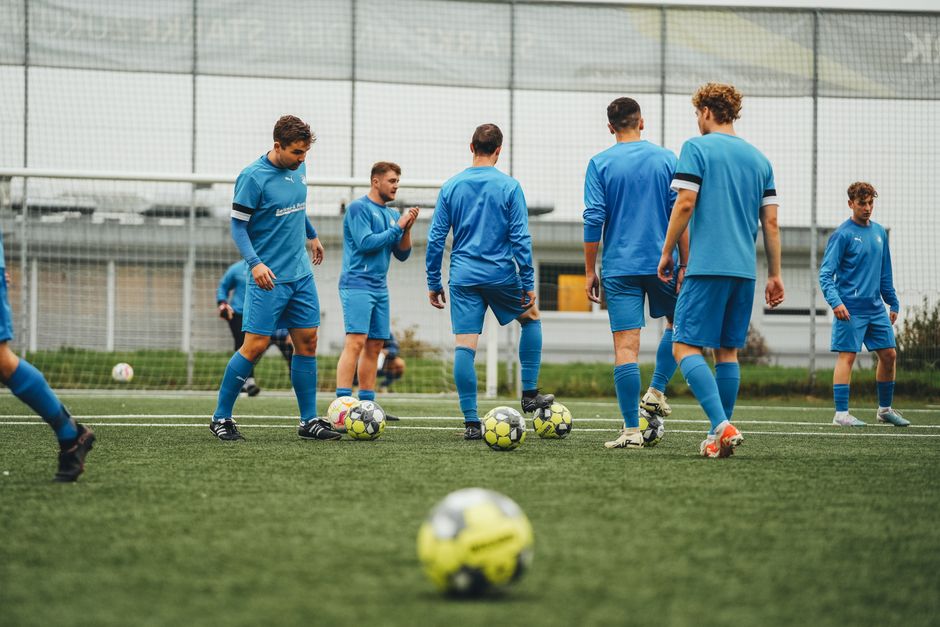
For many supporters, training used to be a distant part of the job. You might hear a manager say that the players had worked hard all week, or spot a photograph in the local paper. Now, a club can post a minute of rondos before lunch and reach fans around the world before the squad has left the training ground.
That change is not just about the amount of content. The tone has changed, too. Training ground videos often trade the formal interview for quick jokes, familiar routines and small human details: a player arriving late to a drill, a goalkeeper taking a teasing shot at a teammate, or a new signing being welcomed into a group. This is where player personality content can land particularly well. It gives supporters a sense of character without requiring anyone to pretend a ten-second clip is an intimate portrait.
There are practical reasons to watch, as well. A club might share an update on an injured player, show an academy prospect joining first-team training or publish a manager’s comments ahead of a fixture. Fans want to know whether a key midfielder has returned to the grass. They also want the lighter stuff: who has the best touch, who cannot stop laughing and who appears to take every warm-up competition far too seriously.
A little access is not the same as full access
It is worth keeping expectations sensible. The footage is selected and edited. A camera may follow one drill while another part of the session is happening out of shot. A smiling player may simply be in a good mood that morning; a serious expression is not proof of a dressing-room crisis. The content can offer a genuine glimpse, but it remains a glimpse.
That does not make it worthless. The same is true of a press conference, a match photograph or a 30-second post-match interview. Each gives you something, but none can explain an entire club. The trouble starts when fans treat every clip as evidence in a case they have already decided to make.
Always-on fandom, from the training ground to the group chat
Digital media has blurred the edges of the football week. There is rarely a clean gap between games. On a Monday, supporters may be watching an injury update; by Tuesday, they are debating a tactical clip; by Wednesday, a podcast has spent 40 minutes on the next opponent’s build-up. Then football podcasts for transfers the press conference arrives, the predicted line-ups start circulating, and the cycle begins again.

For fans who live far from their club, that access can be meaningful. Training footage and behind the scenes content make a team feel less distant, even if most supporters will never enter the training ground. It can also make a quiet week more fun. A sharp bit of skill or a daft team challenge gives the group chat something to talk about before the weekend.
But “always on” does not mean every supporter has to follow everything. You can be a committed fan without watching every club upload, knowing every passing statistic or joining every tactical argument. Sometimes the best use of your phone is to put it away until the teams come out.
The second screen has made it into the stands
The phone is part of modern matchday, whether clubs and broadcasters like it or not. Walk around a ground and you will see supporters checking an injury update, sending a photo of the pre-match pint, filming the teams warming up, or refreshing a score from a rival’s game. There is a running list of things fans do on their phones at matches, and it grows every season.
- Check scores elsewhere in the league when a rival goes behind—or when the table starts to shift.
- Open the club app for the team sheet, substitutions or a stadium announcement they missed.
- Send a WhatsApp message to someone watching at home, often to ask whether the replay showed a foul.
- Post a photo or short video to Instagram, TikTok or Snapchat before the match has even kicked off.
- Look up a player’s stats or a formation graphic during a break in play.
- Check a podcast or news feed for a late update, then show the screen to the person next to them.
That behaviour is not automatically a problem. Checking scores elsewhere in the league can add tension to a late-season afternoon, especially when promotion, Europe or relegation is in the balance. A second screen can help supporters follow several games at once. At a 3pm kick-off, you might have the match in front of you and a live table on your phone. At an evening game, you may be checking results from earlier fixtures on the way into the ground.
Still, a phone offers a poor substitute for the best things happening around you. The noise when a full-back wins a tackle, the sharp intake of breath before a penalty, the away end responding to a song from the home stand—none of that is improved by watching a replay while it is happening. The atmosphere cannot be fully replaced by TV, and it cannot be fully captured by a phone screen, either.
Kick-off time shapes the whole day
There is a different rhythm to a lunchtime kick-off than a 5.30pm start. For an early game, supporters may be checking the team news on the train before they have finished breakfast. A late afternoon kick-off leaves time for the pub, the club shop and an anxious scan of other results. Under the lights, the match can feel like the centrepiece of the day, with work, dinner and travel all arranged around it.
Those routines still matter. The walk to the ground, the familiar turnstile, the same seat or standing place, the first view of the pitch: these are not relics from a less digital age. A fan Visit this website can watch training footage on Thursday and still have a matchday ritual on Saturday. In fact, the small rituals can make the online build-up more enjoyable because they give all that scrolling somewhere to lead.
Stats, podcasts and tactics are no longer niche interests
Training clips are part of a wider shift in what fans can access. Statistics that once appeared mainly in specialist analysis are now common in match previews and live coverage. Supporters discuss progressive passes, expected goals and pressing numbers over coffee, in the stands and on podcasts. Some use the data to test an instinct; others enjoy the detail for its own sake.
Tactical content has travelled the same route. A supporter might watch a coach’s session, then find a YouTube breakdown of the team’s build-up, followed by a podcast discussing how the next opponent defends crosses. That is a lot more football than fans could easily get from a match programme and a Monday newspaper. It can help people notice patterns—why a winger keeps receiving the ball inside, for instance, or how a midfield press is triggered.
There is plenty of room for fun in all this, but certainty is best avoided. A training exercise is not necessarily a rehearsal of the weekend’s tactics. A statistic needs context. A podcast host can be insightful and still get a prediction wrong. The strongest football conversations tend to leave space for what we do not know.
What you watch What it can offer What it cannot prove on its own Training ground videos A glimpse of drills, mood and some player interactions The starting XI, fitness levels or the full tactical plan Behind the scenes content More context about routines and personalities A complete, unfiltered picture of club life Statistics and data Patterns that may not be obvious during a match A simple explanation for every result or performance Podcasts and tactical analysis Longer discussion and different interpretations A guaranteed correct reading of what comes nextHow to enjoy it without overreading every clip
If you want training content to add to your support rather than take it over, a few simple habits help. You do not need to stop following club accounts or mute every football podcast. Just keep the clips in proportion.
- Watch for enjoyment first. A funny moment or a good finish can be worth your time without carrying a hidden message about selection.
- Separate an update from a guess. If a club confirms a player is back in training, that is useful. Assuming he is ready to start is a step beyond what the video tells you.
- Check who is publishing the clip. Club media teams know the audience and shape the edit. Independent reporting, a full press conference or a match report may provide a different kind of context.
- Let the match be the match. Put the phone away for a spell if you find yourself watching the live game through a screen you are holding.
- Keep other fans in the conversation. Sharing a clip can be a good laugh; turning every moment into a test of who is a “real” supporter is less fun.
So, is it weird?
Not at all. Watching training footage is a normal part of following a club in an age when football is available well beyond matchday. It can bring a smile, offer a useful update and make a distant team feel a little closer. Behind the scenes content, club media teams and player personality content have all found an audience because supporters are curious about the people behind the badges.
The important thing is not to confuse access with intimacy, or a clip with the full truth. Enjoy the training video, listen to the podcast, look at the stats and check the scores elsewhere in the league. Then, when the kick-off time arrives, take a look around the ground. There is still no feed that captures the sound of a stand rising together after a goal, and no replay that quite matches being there when it happens.