Arriving 48 Hours Out for an International Card – Is That a Mistake?
As someone who has spent over a decade covering fight weeks, weigh-ins, and international event travel, I can confidently say that the logistics and physiology behind arriving just 48 hours before a bout overseas are far more complex than fans or even many insiders appreciate. The idea of “arriving 48 hours out” seems convenient on the surface—less time away from https://varimail.com/articles/what-does-a-schedule-built-to-destroy-sleep-look-like-in-fight-week/ home, minimal disruption to training routines, and easier to manage schedules. But beneath that simplicity lies a tangled web of fight week scheduling chaos, sleep debt, dehydration challenges, rehydration physiology, and circadian rhythm disruption.
Let’s unpack why arriving only 48 hours before a fight across time zones is not just a scheduling choice—it’s a physiological gamble with a fighter’s performance on the line.
Understanding Fight Week Travel: What Does the Rulebook Say?
Before we dive deep, the first question to ask is: what do the official guidelines and combat sports commissions suggest regarding international arrivals? The “rulebook,” so to speak, doesn’t mandate an arrival window, but it’s universally acknowledged that fighters should give themselves ample time to acclimate—not just to the local culture and event logistics, but crucially to the physical demands of recovery from travel and weight cutting.
Commissions and medical staff are focused on ensuring fighters are safe and medically fit at weigh-ins and on fight night, but they also emphasize adequate time for rehydration and physiological stabilization post-weight-cut and travel. Two days, or 48 hours, might tick a box for paperwork or visa processes, but let’s see how it adds up when you include sleep science and dehydration physiology.
Fight Week Scheduling Chaos and Sleep Debt
Fight weeks are hellish by design. Early gym sessions, late-night travel, press conferences, media day interviews, and multiple weigh-ins create a marathon of fragmented, insufficient sleep. Fighters arrive at their destination often already carrying a sleep debt, whether they're flying internationally or traveling down the highway.
Want to know something interesting? arriving 48 hours out allows very little buffer for undoing this sleep deficit. The combination of pre-fight anxiety and adrenaline spikes around encounters with media—on top of weight cut discomfort—interrupts natural sleep cycles.
- Sleep fragmentation: Multiple interruptions throughout the night dilute the deep restorative phases necessary for muscle recovery and mental focus.
- Fight week stimulation: Pressers, walk-throughs, and open workouts elevate cortisol levels, disrupting circadian rhythms further.
- Travel fatigue: Jet lag and unfamiliar sleep environments compound exhaustion.
This all adds up to a physiologically compromised fighter stepping into the ring, often underestimating how critical a consolidated sleep schedule is in those final 2-3 days.
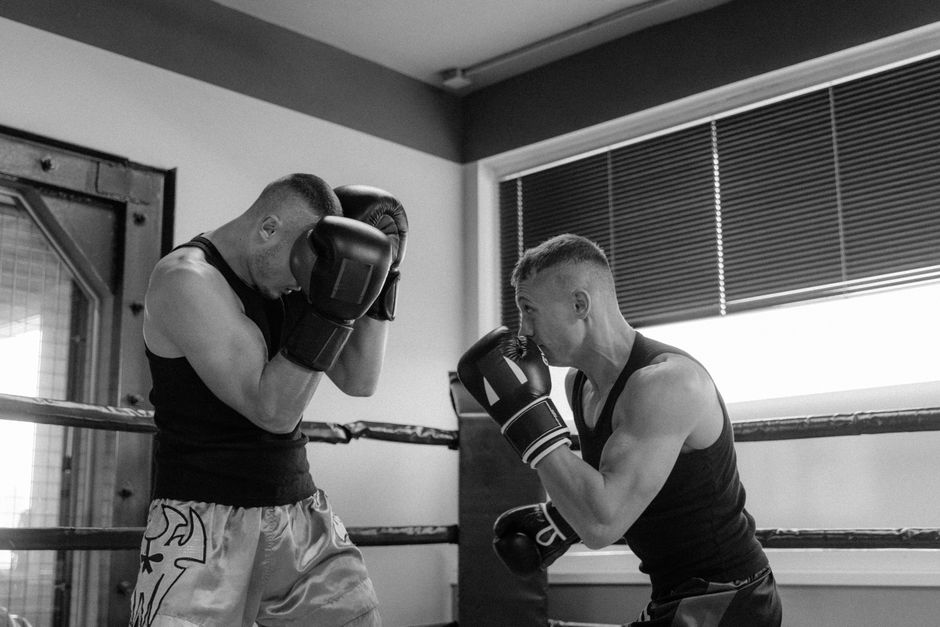
Embed: YouTube Interview with Sleep Expert on Fight Week Fatigue
For those interested, I’ve embedded a YouTube interview with Dr. Jenna Foster, a sleep scientist specializing in athletes, who breaks down how circadian misalignment and fragmented sleep in fight week impair cognitive and motor performance.
Weight Cut Dehydration and Fragmented Sleep
Arguably the most talked about aspect of fight week—weight cutting—introduces a physiological burden that exacerbates sleep issues. Dehydration impairs thermoregulation and increases heart rate, which can induce restless sleep and night sweats.
The typical dehydrated fighter waking multiple times per night experiences fragmented sleep which negatively affects muscle glycogen restoration and mental acuity needed for fight night strategy.
Why 48 Hours Out Is Too Tight for Full Rehydration and Sleep Recovery
The more extreme the cut, the longer full rehydration takes. Medical literature and team experience alike emphasize at least 72 hours for near-complete restoration of plasma volume and electrolyte balance post weigh-in dehydration.
Arriving only 48 hours before the fight doesn’t provide enough time for:
- Complete rehydration and electrolyte normalization
- Recovery from sleep disruption induced by weight cut
- Acclimation to environment and nutrition changes
This is why many camps push for early arrivals—aiming for at least 72-96 hours—so the athlete can engage in strategic rewatering protocols backed by lab COAs (Certificates of Analysis) and batch lab reports that verify supplement purity and hydration formula efficacy.
Rehydration Night Physiology and Interrupted Recovery
“Rehydration night,” the evening following weigh-ins, is critical. However, even with perfect timing, the body is still vulnerable:
- Kidneys activating fluid retention after dehydration can trigger frequent urination — disrupting sleep.
- Electrolyte imbalances may cause muscle cramps and restless legs.
- Gastrointestinal discomfort from nutrient reintroduction may affect sleep latency and quality.
Trying to manage all this on a 48-hour timeline, especially following international travel, limits recovery when the body demands rest the most.
Time Zone Shifts and Circadian Rhythm Disruption
Jet lag is not a myth—it’s a system-level problem. Traveling across multiple time zones screws with your central clock in the hypothalamus, causing circadian rhythm disruption that can take days to fully recalibrate.
Partial adaptation within 48 hours is statistically unlikely outside a single time zone shift of 1-2 hours. Larger shifts require 1 day per time zone, minimum.

Fighters arriving from the U.S. to Asia, or Europe to North America, with less than 72 hours have partial adaptation at best, resulting in:
- Reduced alertness and reaction time
- Sleep-wake cycle irregularities
- Digestive disturbances
How Coaching and Environments Can Help
Camps that understand these factors prioritize:
- Arrival 4-5 days out or more
- Controlled light exposure and melatonin protocols
- Use of validated hydration supplements with batch lab COAs to limit unknown variables
- Strict sleep hygiene and wind-down routines amid event chaos
Summary Table: Risks of Arriving 48 Hours vs. Optimal Arrival Times
Factor Arriving 48 Hours Out Arriving 96+ Hours Out Sleep Debt Recovery Minimal ability to recover; fragmented sleep continues Significant catch-up possible; more consolidated sleep Weight Cut Rehydration Partial rehydration; electrolyte imbalances linger Near-complete rehydration with tailored electrolyte protocols Circadian Adaptation Partial adaptation unlikely for multiple time zones Full or near-full adaptation, optimized sleep-wake cycle Overall Fight Week Stress Higher physiological stress, reduced cognitive function More stable physiological and psychological baselineFinal Thoughts: Is Arriving 48 Hours Out a Mistake?
Professional fighters and camps who try https://xn--toponlinecsino-uub.com/how-early-should-a-fighter-arrive-to-adjust-to-time-zones/ to squeeze arrivals into a tight 48-hour window before international fights are flirting with unnecessary risk. While logistical constraints and cost savings might push them toward a later arrival, the physiological and performance toll is significant. Partial adaptation to time zone shifts, incomplete recovery from sleep debt and dehydration, and ongoing fight week chaos all stack against a fighter’s readiness.
From my decade-plus experience on the ground at fight week events, the smart camps allocate time intelligently, plan travel far in advance, and leverage data-driven hydration and sleep strategies—backed by lab-tested supplements, with genuine certificates of analysis—to craft an environment conducive to optimal fight-night performance.
So next time you hear “the fighter just arrived 48 hours ago,” dig a little deeper. Because on the inside, it might be more than just a travel story—it could be a fight week preparation misstep.